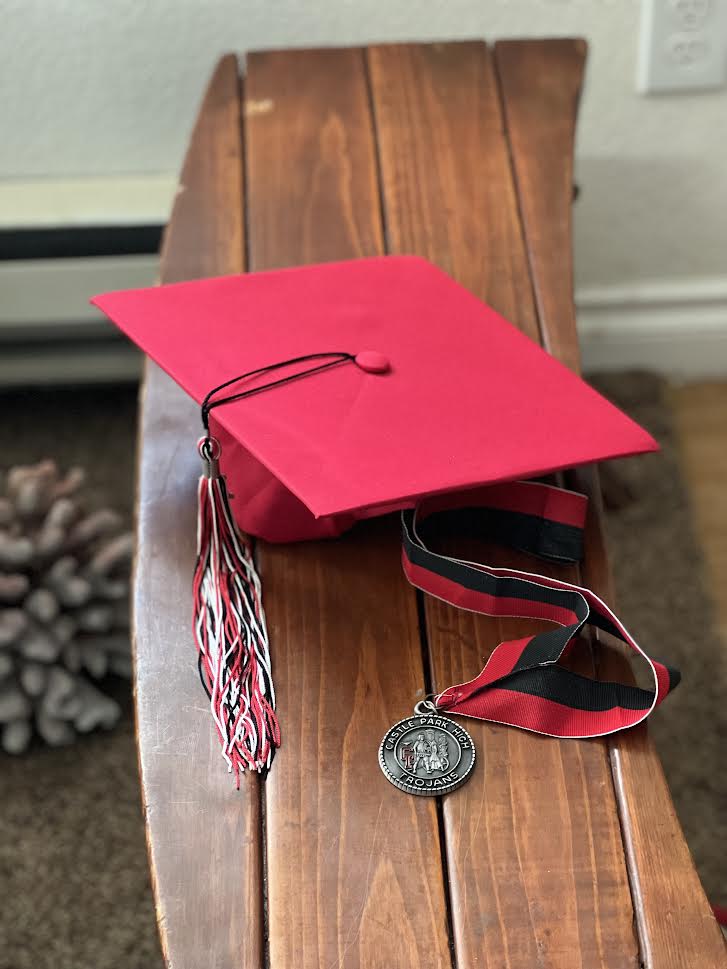
From a somewhat young age we are told that we need to prepare for college, for me this began in sixth grade. They had the majority of the class alternate between two teachers who each taught specific subjects. We were told this would help the transition into middle school which would help the transition to high school which would ultimately prepare us for – you guessed it – college.
Sophomore year is when the recruiting for different colleges really began. They had representatives for the community colleges and for the boujee university. How they would lure you in is by saying there’s help, (grants) that you don’t have to payback to pay for college, and also “financial aid,” which is just a fancy word for a loan – which by the way you have to payback – but they don’t really emphasize this part.
If you’re wondering if I’m one of the suckers that got lured into going to college you would be correct. I went to school for fashion marketing and management. The first school I went to was a very small vocational school, everybody knew everybody type of thing. It shutdown because enrollment for new students was very low. I had the opportunity to get out of college and the student loans when the school closed, I should have taken the opportunity to get out of being stuck with the student loans. Instead, I transferred my credits to The Art Institute. I think I was there a little over a year when financial aid – the thing you have to payback – ran out. I wasn’t working, I didn’t have the money to pay to continue school. If I remember correctly the school wanted back payments and new payments starting around $700 a month going forward, so I stopped attending school.
I accepted a job in retail around this time and I soon realized about 85% of what I had learned in school I was doing at my job. I didn’t need to go to college to learn any of it. It was also during this time that I was meeting different people from different walks of life, who had either gone to college and not completed their course of study or had graduated from college and weren’t even kind of working in their field of study. This all begs the question, why are we still going to college? Even though we know people that are dropping out or not working in their field of study, it’s ludicrous to me. Unless you’re going to school to be a doctor or a nurse chances are you probably don’t need college for your profession. Probably my biggest takeaway from college was the power of networking. I would say that’s probably 70% to 80% of the process to getting the job you want.
I keep hearing about “education reform,” I think we need to take a hard look before we reform anything. Have you ever heard someone in their 40’s or older talk about their elective classes they had in high school? They had auto shop where you learned how to do maintenance on your car, and home economics where you learned how to cook or sew. Unfortunately these elective classes weren’t offered when I was in high school. It would have been life changing to have learned how to do maintenance on my car. If you’re looking for education reform why not go back to a practical and relevant way of teaching and learning? It would have been great to have had elective classes that actually benefitted me.
Which brings me to the consequences of college. It was December 2017 and I took a job at a collection agency for student loans. We had accounts of literally hundreds of thousands of people who were in debt. The goal was to get as many accounts resolved as possible. Referred to as borrowers, they would have a payment calculated based on their total income and family size. So on average you would have someone who borrowed say $50,000 for school, had five kids under the age of 7, and wasn’t working, equals nobody wins. The borrower is still in debt with interest still accruing, they don’t work because they have little kids, the financial aid people don’t get paid back, therefore the collection agency doesn’t get paid. As for those who did work and didn’t want to pay they got their wages garnished. Most had their taxes withheld as a consequence of having their student loans in default. It was a vicious cycle, and you know how to stop it? Stop going to college, make high school more like college or make college free.
When I first started telling people that I wanted to pursue writing as a career the first thing they would tell me was that I should go to school for it. In 2021 I started applying for writing jobs and I kept coming across these “must have a Bachelor’s degree” road blocks, why do I need to go into debt to pursue my dreams? I have a high school diploma, I had to write what seems like an endless amount of essays in high school and fashion school, why isn’t that enough? What ever happened to on the job training? Which is why I created my website, The Real Jayyy.com to display my work for you lovely readers and also perspective employers. It’s not just me though, think about the make-up artists, hair stylists, videographers, culinary, etc. who are told you need a degree to pursue your dream. If you have passion for what you’re doing, hard work, and some research you can be successful.
Rather than focusing so much on preparation for college, just make high school better. An example of this is during senior year I took an Economics class, they crammed so much into that course I don’t remember much of anything that was taught. Supply and demand comes to mind, other than that you got me. If they would have done an introduction to Economics class freshman year and gradually built on that foundation throughout the other high school years I think the quality of the course would have been better.
But if I don’t go to college, I won’t be successful or make a lot of money right? Not true. Remember that collection agency job I told you about? First of all the CEO of the company is the one who hired me, she had zero college education, she worked as a student loan collector in her twenties, and her boss at the time when she worked as a collector, she ended up hiring him some twenty years later and he works for her now. Talk about a success story! They would conduct kind of like a census at the collection agency, and I think it was something like 90% of the employees working there had no college education. College isn’t all bad, you do network on a different level than you would in high school, you value – or should value – your education better because you’re paying for it, and you make fabulous friends that you’ll have for the rest of your life.
At my current job more than half of the staff are high school students, most of them are seniors, some of them are juniors. I feel that I have an obligation to enlighten them about what you’re told to lure you into going to college versus the reality of actually going to college, (and the inevitable financial ramifications of attending college.) I haven’t yet spoken to all of them about college, but the ones I have spoken with all plan to attend. I’ve basically given them the gist of myth versus reality of my experience when I went to college, and my experience working in collections for student loans. I think going forward it’s important for everyone to have all of the information so they can make an informed decision about their financial future. There are other career paths to take.
Ever heard of being a union worker? I was on a flight 4th of July weekend 2019 and a guy who worked for the union sat next to me and for the majority of the flight we talked all things union. For a little over 3 hour flight I learned that the union is in need of some 200,000 workers, if there is a job somewhere else they will fly you and your family to that location to complete the job, you and your family have full healthcare coverage including dental, paid vacation, and of course growth opportunities. But what about those pesky union dues? According to the guy on the flight, they pay for themselves in full healthcare coverage alone. Union work might be the greatest kept secret in career opportunities, with a gold mine of benefits, wages, and no need for prior experience.
In conclusion, sometimes it’s unclear which path you should take for your career, I have found that we all truly have different talents that we each possess, some are better with numbers, some are better with giving advice, some are better working individually. It’s always good to have a fallback career while you’re still figuring things out and it’s okay if it takes you time to realize what you’re passionate about – or even what you’re good at – just trust the process of life and trust your instincts with what you’re good at and you WILL be successful. With hard work, drive, and passion you can achieve great things professionally without having a college degree.
The Takeaways:
- If the opportunity presents itself to get out of a financial situation, take it
- Before we reform anything, make high school courses more like college or business courses
- College is not the be-all end-all, there are other avenues
- U.S. government please don’t fail us, make college free – or almost free
- Have a backup plan
- And always always ALWAYS network – anywhere and everywhere
 TheRealJayyyy